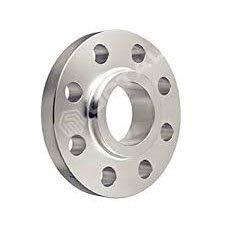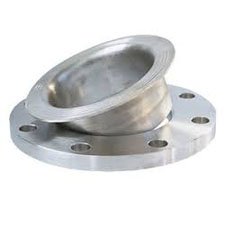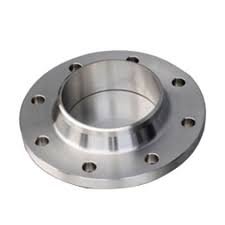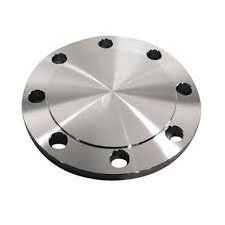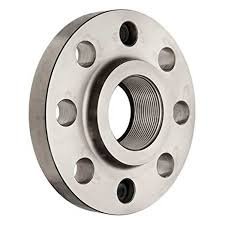
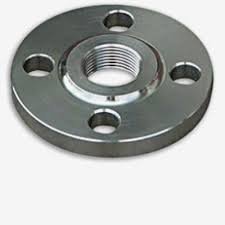

1. Working Principle
The working principle of a threaded flange is Mechanical Interference:
-
Assembly: The flange is simply screwed onto a pipe that has been externally threaded.
-
The Taper: Because the threads are tapered, the connection becomes tighter as the flange is turned. This creates a metal-to-metal seal.
-
Sealing: To ensure a leak-proof joint, a thread sealant (like PTFE tape or pipe dope) is applied to the threads before assembly.
-
Seal Welding (Optional): In some cases, a small “back-weld” (fillet weld) is applied to the hub where it meets the pipe to ensure the flange cannot vibrate loose and to provide an extra layer of leak protection.
2. Primary Use
The primary use of a threaded flange is for Low-Pressure, Low-Temperature, and Non-Welding Environments.
It is the preferred choice when:
-
Welding is Hazardous: In explosive environments (like active gas plants) where sparks from a welding torch could cause a fire or explosion.
-
Post-Weld Heat Treatment is impossible: Some materials are difficult to weld or require expensive heat treatment after welding that can be avoided by using threads.
-
Galvanized Piping: Since welding burns off the protective zinc coating of galvanized pipe, threading is used to maintain corrosion resistance.
-
Maintenance: It allows for the flange to be removed or replaced without cutting the pipe.
3. Common Applications
Threaded flanges are standard in utility systems and specialized industrial sectors:
| Industry | Application |
| Water Supply | Domestic water lines and municipal plumbing systems. |
| Fire Protection | Sprinkler system piping in commercial buildings. |
| Gas Distribution | Low-pressure natural gas or propane lines in residential/commercial settings. |
| Agriculture | Irrigation systems and liquid fertilizer transport. |
| Hazardous Areas | Refineries or chemical plants in zones where “hot work” (welding) is strictly prohibited. |