
1. Working Principle
The ball valve operates on a Quarter-Turn mechanism:
-
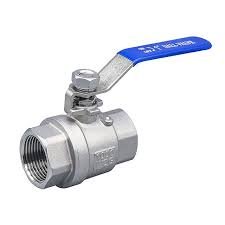
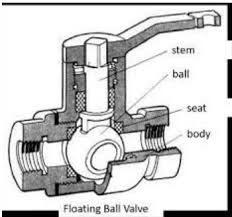
Opening: Rotating the handle 90 degrees aligns the internal bore with the pipe. Fluid passes straight through the hole with almost no resistance.
-
Closing: Rotating the handle back 90 degrees turns the solid side of the ball to face the flow. The pressure of the fluid pushes the ball against the downstream seat, creating a tight seal.
2. Primary Use
The primary use of a ball valve is Quick Isolation (On/Off).
It is favored over gate and globe valves when:
-
Speed is critical: It can be closed in a split second (essential for emergency shutdowns).
-
Zero Leakage is required: The soft seats offer superior sealing compared to metal-seated gate valves.
-
Reliability after Long Idleness: Unlike gate valves, which can “seize” or stick if not moved for years, ball valves almost always operate smoothly even after being idle.
3. Common Applications
Ball valves are incredibly versatile and found in almost every fluid system:
| Industry | Application |
| Residential Plumbing | Main water shut-off valves for houses and isolation valves for heaters. |
| Oil & Gas | High-pressure gas pipelines and refinery isolation points. |
| Manufacturing | Compressed air systems and chemical transfer lines. |
| Fire Protection | Quick-acting valves for sprinkler systems and fire hydrants. |
| Food & Beverage | Sanitary ball valves (easy to clean) used in brewing and dairy processing. |