
1. Working Principle
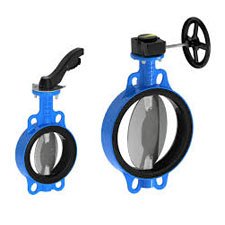
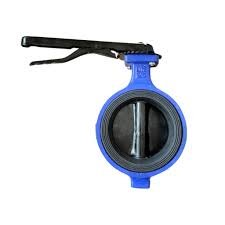
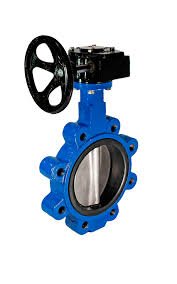
The valve operates by rotating the disc 90 degrees:
-
Opening: When the handle is turned, the disc rotates to sit parallel to the flow. Unlike a ball valve, the disc is always present within the flow even when fully open, which creates a slight pressure drop.
-
Closing: The disc is turned 90 degrees so that it is perpendicular to the flow. The edge of the disc presses into the soft seat around the inner diameter of the valve body to create a seal.
-
Throttling: By stopping the disc at various angles between 0° and 90°, you can roughly regulate the volume of fluid passing through.
2. Primary Use
The primary use of a butterfly valve is High-Volume Flow Control and Isolation, especially in large-diameter pipes.
It is the preferred choice when:
-
Space and Weight are limited: They are significantly lighter and thinner than gate or ball valves of the same size.
-
Cost is a factor: Especially in sizes above 4 inches, butterfly valves are much cheaper to manufacture.
-
Fast Operation is needed: A simple 90-degree turn is all that is required.
3. Common Applications
Butterfly valves are the standard for large-scale liquid and gas handling:
| Industry | Application |
| Water Treatment | Main isolation and control in large water mains and pumping stations. |
| HVAC | Regulating chilled water or airflow in large-scale building cooling systems. |
| Fire Protection | Used as shut-off valves in sprinkler systems (often with an “outer screw and yoke” for visibility). |
| Chemical & Food | Handling slurries or semi-solid liquids (sanitary versions are easy to clean). |
| Power Generation | Condenser cooling systems and large-diameter steam lines. |